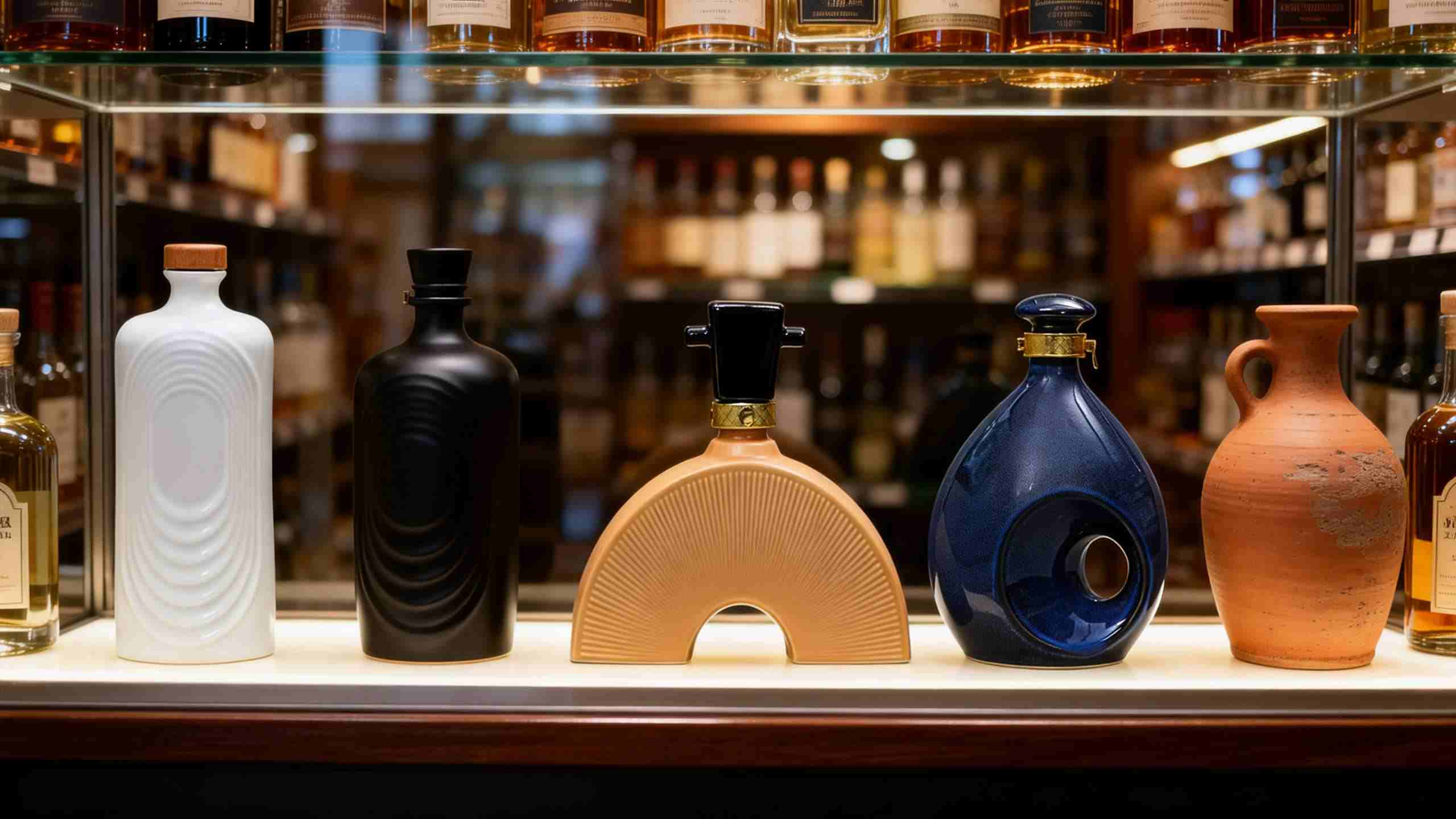
Most brands think switching to ceramic is about looking premium. It's not. The brands that get it wrong treat ceramic like a glass substitute, and that's exactly where they run into trouble.
Premium tequila and mezcal brands are moving to ceramic because ceramic has become the visual language of the category. At the $50+ price tier, a glass bottle now signals "standard." Ceramic signals credibility. If your competitors are in ceramic and you're not, you're already behind.
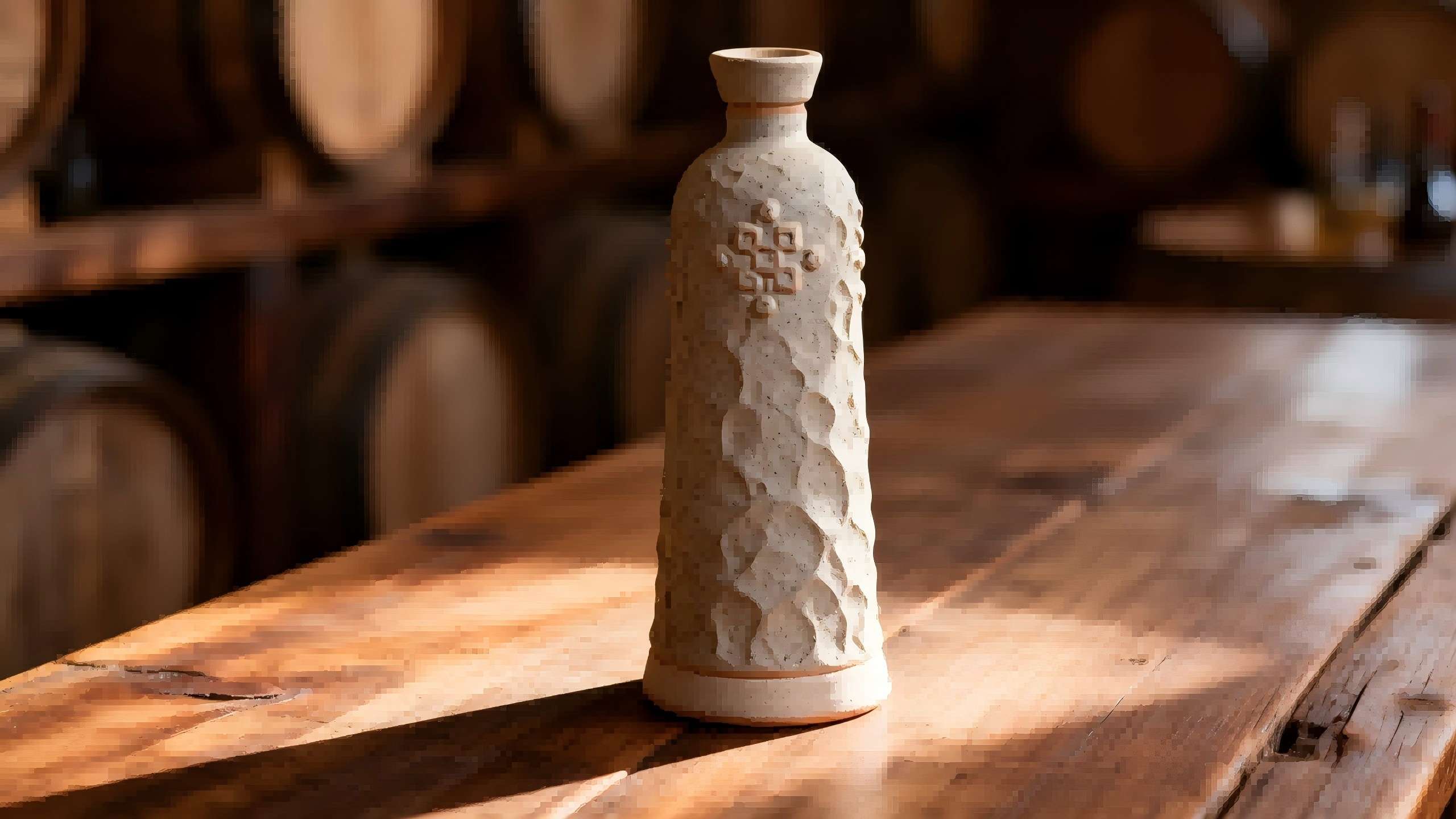
I've worked with dozens of spirits brands over the past 30 years, and the ones who succeed with ceramic are the ones who understand one thing early: this is a positioning decision, not a packaging decision. Once you accept that, the rest of the process gets a lot clearer.
Is Ceramic Actually the New Standard for Premium Tequila?
A few years ago, ceramic bottles were a differentiator. Now they're almost expected.
In the premium and ultra-premium tequila and mezcal segment, ceramic has become a category norm. Brands launching at $60, $80, or $100+ are increasingly expected to use ceramic. Staying with glass at those price points now requires justification.
This shift didn't happen because ceramic is cheaper or easier — it's neither. It happened because a handful of high-profile brands used ceramic early, the market responded, and the visual association stuck. Now buyers at that price tier walk into a store and use the bottle material as a shortcut to judge value.
What does this mean for a brand entering the market today? It means the question is no longer "should we use ceramic?" It's "what kind of ceramic, and how do we execute it without breaking the supply chain?"
The Real Risk Is Not Choosing Ceramic — It's Choosing It Without a Plan
Most of the problems I see come from brands that decide to go ceramic, then treat the sourcing process like a glass order. They send a sketch, ask for a quote, and expect a sample in two weeks.
That's not how ceramic works.
| Factor | Glass Bottle | Ceramic Bottle |
|---|---|---|
| Sample time (existing mold) | 3–5 days | 7–10 days |
| Sample time (new mold) | 1–2 weeks | 15–25 days |
| Mouth tolerance | ±0.2mm | ±0.5mm |
| Filling line compatibility | Standard | Needs verification |
| Food safety certification needed | Yes | Yes (FDA, EU EC 1935/2004) |
| MOQ | Lower | Higher |
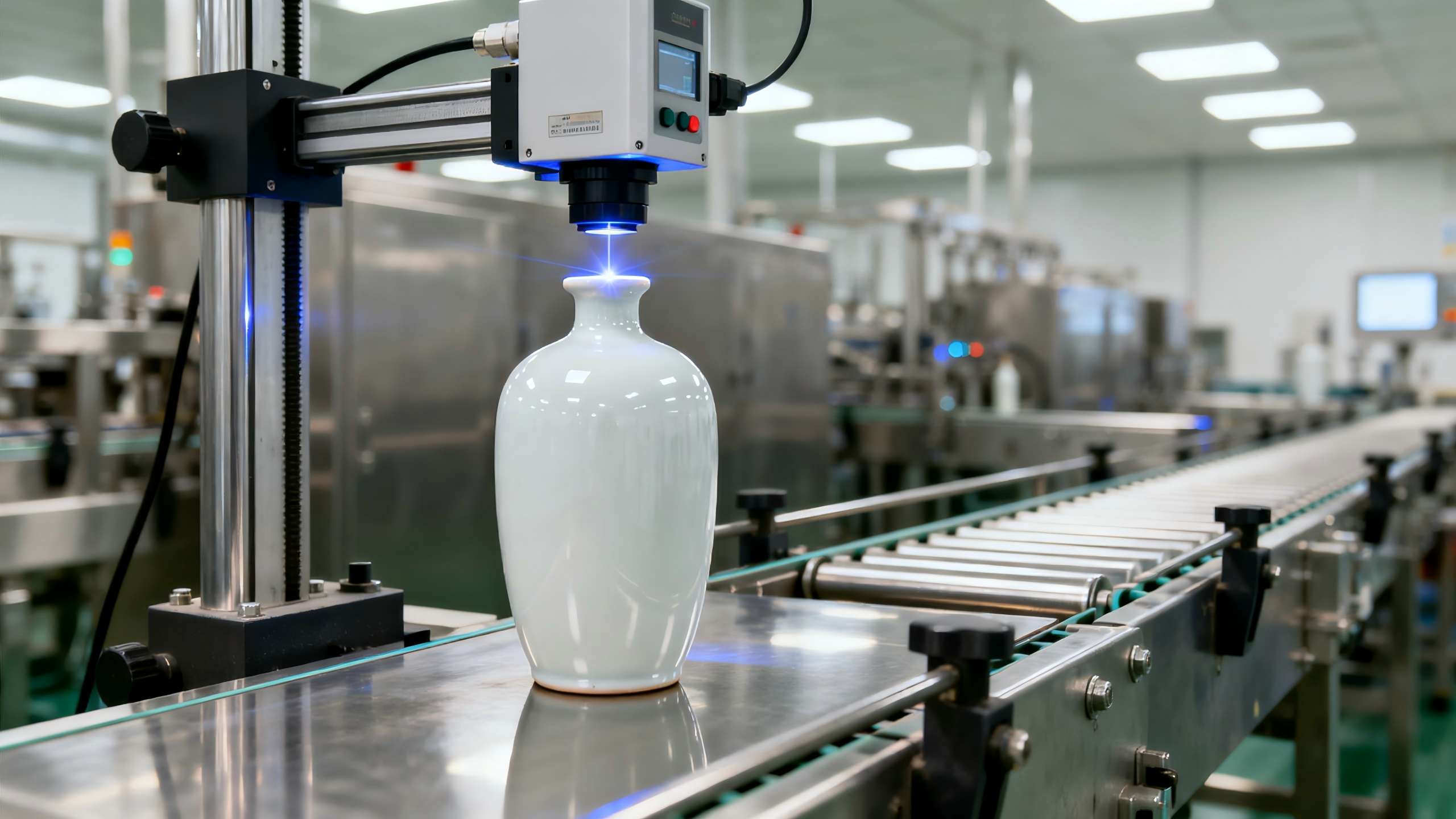
The tolerance gap alone is something brands often ignore. A ±0.5mm tolerance on the bottle mouth sounds small. But if your filling line runs at high speed and your caps are spec'd tight, that gap creates rejection rates that nobody budgeted for. I've seen brands lose entire production runs because they didn't verify filling line compatibility before ordering.
What Does Food Safety Compliance Actually Require for Ceramic Bottles?
This is where a lot of brands get nervous, especially those selling into the US or EU.
Ceramic bottles used for spirits must comply with food safety standards including FDA regulations, EU EC 1935/2004, and California Proposition 65. This means lead-free and cadmium-free materials, backed by test reports. Any ceramic supplier who can't provide these documents is a liability.

At our facility, every bottle we produce for spirits use is lead-free and cadmium-free. We hold FSSC 22000 V6 certification and have passed SMETA/Sedex audits. When a client asks for compliance documentation, we send it the same day.
Why Compliance Paperwork Is Not Optional
Some brands, especially smaller distilleries doing their first ceramic run, treat compliance as a box to check at the end. That's a mistake.
If your bottle fails a lead or cadmium test after production, you don't have a packaging problem — you have a product recall problem. The cost of pulling bottles from a distributor network is orders of magnitude higher than the cost of verifying compliance before you place the order.
Here's what I tell every new client: ask your ceramic supplier for their test reports before you approve samples. If they hesitate, walk away.
| Compliance Standard | Market | What It Covers |
|---|---|---|
| FDA | United States | Food contact safety |
| EU EC 1935/2004 | European Union | Materials in contact with food |
| California Prop 65 | California, US | Heavy metal limits |
| REACH | EU | Chemical substance restrictions |
Getting these right upfront adds maybe one week to your timeline. Getting them wrong after production can end a brand.
Conclusion
Ceramic is now the baseline for premium tequila and mezcal. The brands that win are the ones who treat it as an operational decision, not just a visual one — and who verify compliance, tolerances, and filling line fit before the first sample is approved.
wjfwmtqwgggphnowtklouwfhihsftd